
2026-10-12 ·
How to Prevent Mice From Entering Your Home in Fall and Winter
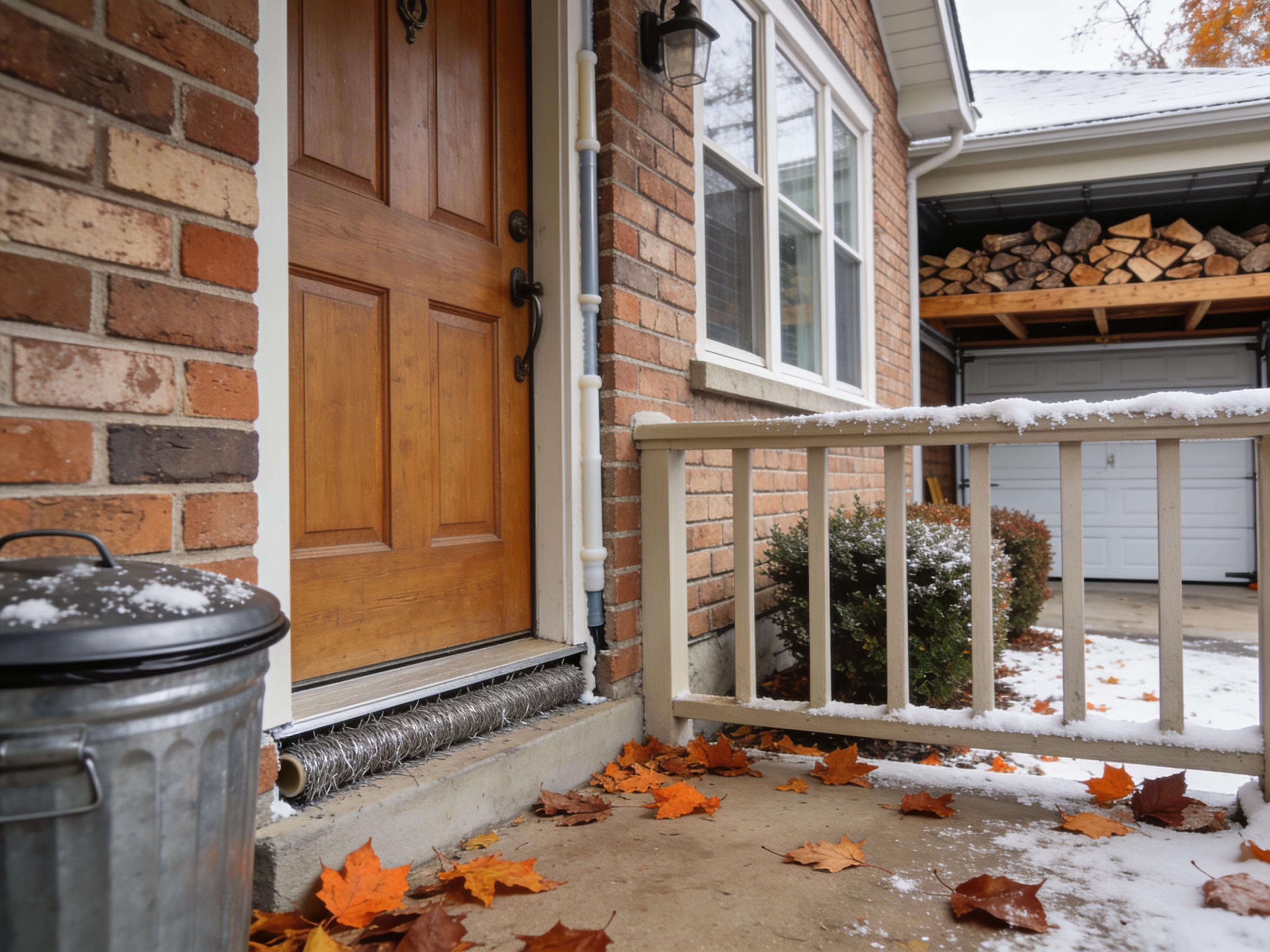
To prevent mice from entering your home in the fall and winter, the most effective strategy is a multi-pronged approach focusing on exclusion, sanitation, and monitoring, ideally starting in late summer or early fall before the first hard freeze. This is particularly critical in Grand Rapids, where the humid continental climate brings very cold winters, driving rodents indoors. Sealing even tiny entry points—mice can squeeze through openings as small as 1/4 inch—is paramount, along with diligent management of food sources and clutter. Regularly inspecting your home, especially older properties common in areas like Downtown Grand Rapids or Northeast Grand Rapids, for potential vulnerabilities will significantly reduce the likelihood of an infestation when outdoor conditions become inhospitable. Ignoring these steps can quickly lead to a full-blown mouse problem once winter temperatures routinely dip below freezing.
Understanding Mouse Behavior in Grand Rapids' Cold Climate
Mice are driven indoors by two primary factors: food and shelter, both of which become scarce and critical as fall transitions to winter in Itasca County. With the Mississippi River nearby and plenty of natural areas, Grand Rapids homes offer an attractive alternative to the harsh outdoor environment. Once winter temperatures drop, typically from late October through March, mice seek refuge from the cold, wind, and snow. They are opportunistic and will exploit any weakness in a home's exterior, often drawn by the warmth emanating from foundations and walls. Understanding this seasonal migration is key to effective prevention, as their survival instinct is at its peak during these colder months. This is why proactive measures are far more effective than reactive ones once you're already hearing scratching sounds in walls and ceilings.
Sealing Entry Points: Your First Line of Defense
The single most critical step in preventing mice is to seal all potential entry points around your home's exterior. Mice are incredibly adept at finding and exploiting small gaps. Start by thoroughly inspecting your foundation, paying close attention to areas where utilities enter the home, such as pipes for water, gas, and electrical lines. Look for cracks in the concrete, gaps around window and door frames, and openings in siding, especially on older homes that might have settled over decades. Use materials like steel wool packed tightly into holes larger than 1/4 inch, followed by caulk or expanding foam to secure it. For larger openings, consider patching with metal mesh or cement. Don't forget to check attic vents, dryer vents, and chimney caps, ensuring they have fine mesh screens to prevent entry. This thorough exclusion work is the bedrock of any successful mouse prevention strategy, especially for properties near natural areas like Grand Rapids City Park or along the Mississippi River.
Eliminating Food and Water Sources Inside Your Home
Even if mice find a way in, they won't stay if there's nothing to sustain them. Eliminating accessible food and water sources is crucial. Store all dry goods, including pet food, in airtight containers made of plastic or metal. Avoid leaving food out on counters, even for short periods. Regularly clean up crumbs and spills, especially in kitchens and pantries. Don't forget about forgotten food in less-used areas, like basements or garages, which can be a mouse magnet. Address any leaky pipes or faucets promptly, as standing water provides a vital resource for rodents. Even small puddles or condensation can be enough. By making your home less hospitable in terms of sustenance, you significantly reduce its appeal to any mice that might breach your exterior defenses. This step is often overlooked but is just as important as physical exclusion.
Managing Clutter and Debris, Indoors and Out
Clutter provides mice with excellent hiding spots and nesting materials, both inside and outside your home. Outdoors, clear away leaf piles, woodpiles, and overgrown vegetation that are close to your foundation. These provide ideal cover for mice to approach your home undetected. Store firewood at least 20 feet from your house and elevate it off the ground. Trim back shrubs and tree branches that touch your siding or roof, as these can serve as bridges for rodents. Indoors, reduce clutter in basements, attics, and garages. Store items in sealed plastic bins rather than cardboard boxes, which mice can chew through easily and use for nesting. The less undisturbed shelter available, the less likely mice are to settle in once they gain entry. This is particularly important for homes in older neighborhoods where basements and attics might be used for long-term storage.
Regular Inspections and Monitoring
Even with the best preventative measures, vigilance is key. Regularly inspect your home for signs of mouse activity, especially as fall turns to winter. Look for droppings (small, dark pellets), gnaw marks on food packaging or structures, and smudge marks along baseboards or walls where mice travel. Pay close attention to areas like the pantry, under sinks, in basements, and attics. If you suspect activity, strategic placement of snap traps or bait stations can help you identify and address a problem early. Early detection is vital, as mouse populations can grow rapidly. If you notice any of these indicators, it's a sign that mice have found a way in, and you may need professional help for mouse infestation treatment. For more information on what to look for, you can read our article on 7 Signs You Have Mice in Your Minnesota Home.