
2026-10-12 ·
7 Signs You Have Mice in Your Minnesota Home
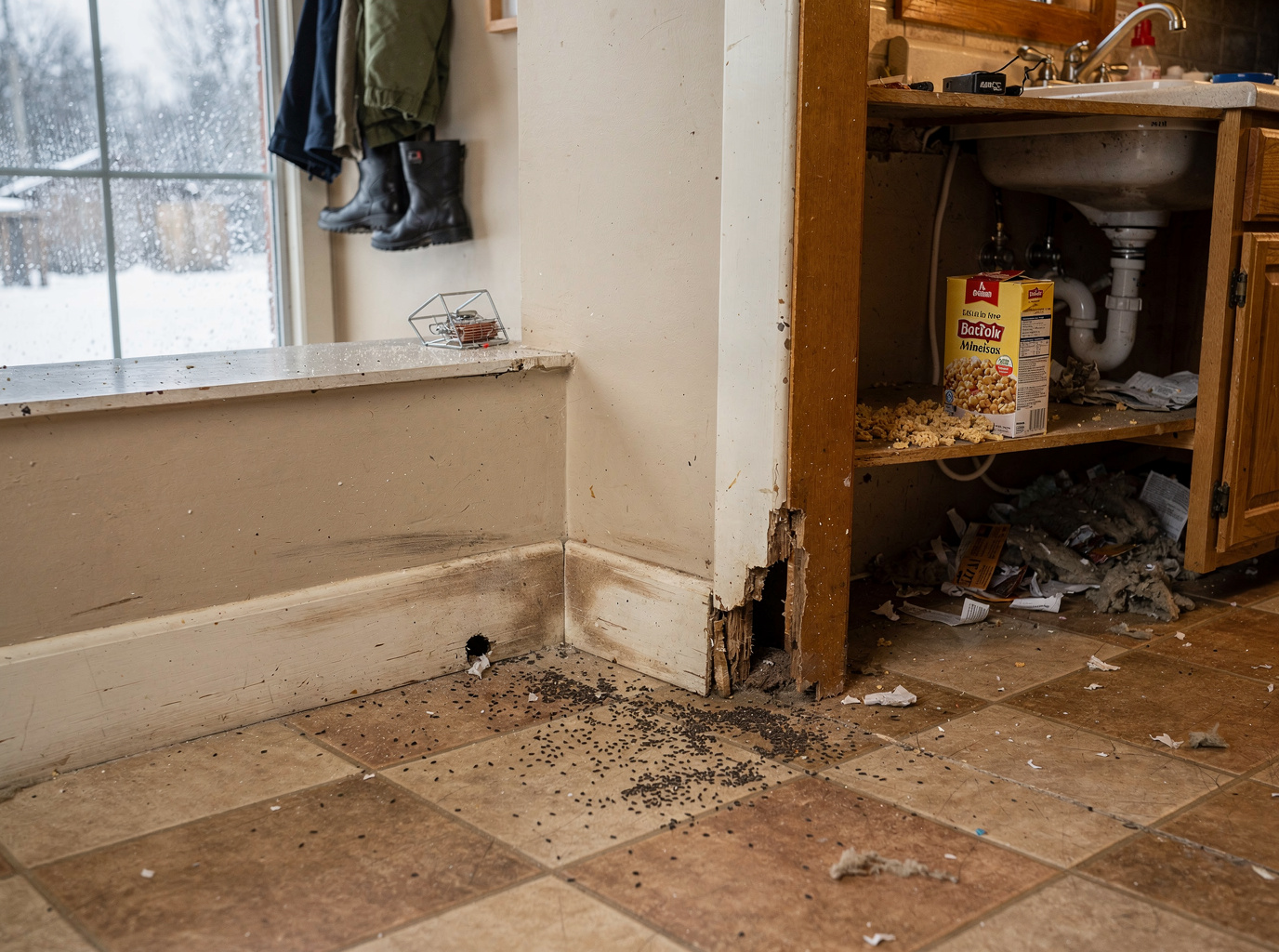
Identifying the presence of mice in your Grand Rapids, Minnesota home often boils down to recognizing 7 key indicators: droppings, gnaw marks, strange noises, distinct odors, nests, tracks, and restless pets. As the humid continental climate of Itasca County brings very cold winters, mice, particularly the common house mouse and deer mouse, actively seek warmth and shelter inside homes. This makes early detection critical, especially in older homes prevalent in areas like Downtown Grand Rapids or Northeast Grand Rapids, where foundations and entry points might be more accessible to these small rodents. Ignoring these signs can lead to a rapidly growing infestation, as mice reproduce quickly, turning a small problem into a significant one before you know it.
1. Mouse Droppings: The Most Obvious Clue
The most unmistakable sign of a mouse infestation is the presence of their droppings. These small, dark, and pellet-shaped fecal deposits are typically 1/8 to 1/4 inch long, resembling tiny grains of rice. You'll find them concentrated in areas where mice are active, such as along baseboards, inside kitchen cabinets, in pantries, under sinks, or near food sources. In older homes around the Mississippi River, where crawl spaces and basements are common, droppings can also accumulate in undisturbed areas. Fresh droppings are soft and dark, while older ones are hard and crumbly. The sheer volume of droppings can indicate the severity and duration of the infestation, so a thorough inspection of these hidden spots is essential. For more detailed information on what to look for, visit our page on Mouse Droppings and Urine.
2. Gnaw Marks: Evidence of Constant Chewing
Mice have incisors that continuously grow, compelling them to constantly gnaw on various materials to keep them filed down. This habit leaves behind distinct gnaw marks on wood, plastic, electrical wires, food packaging, and even structural elements of your home. Look for small, parallel grooves, usually about 1/16 to 1/8 inch wide. In homes near Grand Rapids City Park, for instance, you might find these marks on wooden trim, doorframes, or even furniture. Damage to electrical wiring is particularly concerning, as it can create fire hazards. Inspect areas behind appliances, inside walls, and in attics for these tell-tale signs. The presence of fresh, light-colored gnaw marks indicates recent activity, while older, darker marks might suggest a long-standing issue.
3. Scratching and Squeaking Noises
One of the most unsettling signs of mice is the sounds they make, especially at night when they are most active. You might hear faint scratching, scuttling, or squeaking noises coming from your walls, ceilings, or attic. These sounds are often more noticeable in quiet hours, as mice forage for food and build nests. For homes in Northeast Grand Rapids, with their diverse architectural styles, these sounds can echo through various cavities. If you're hearing what sounds like tiny footsteps or rustling above your head, it's highly likely you have mice. These noises can be particularly alarming and are a strong indicator that you need professional help. Learn more about identifying these sounds on our Scratching Sounds in Walls and Ceilings page.
4. Distinctive Mouse Odor
A persistent, musty odor, often described as stale urine, is another strong indicator of a mouse infestation. This smell is caused by mouse urine and droppings, which accumulate over time. The odor can be particularly noticeable in enclosed spaces like pantries, cabinets, or basements, and can become stronger with a larger infestation. In Minnesota's cold winters, as homes are sealed up, this smell can become more pronounced. If you detect an unexplained, unpleasant musky scent in your home, especially in areas where food is stored or in seldom-used rooms, it's worth investigating for mouse activity. This odor can permeate fabrics and insulation, making it difficult to eliminate without addressing the source. Our Mouse Odor in Homes service page provides more insight.
5. Nests and Nesting Materials
Mice build nests in secluded, warm places using shredded materials like fabric, insulation, paper, and plant fibers. These nests are typically found in hidden areas such as attics, wall voids, behind appliances, in cluttered storage areas, or even inside upholstered furniture. Given the very cold winters in Grand Rapids and surrounding Itasca County, mice are driven to create cozy, insulated homes. If you discover small, ball-shaped collections of shredded materials, it's a clear sign of mouse nesting activity. Common nesting spots include behind refrigerators, in undisturbed corners of garages, or in rarely accessed cupboards. Finding a nest indicates that mice have found a secure and comfortable place to breed, often meaning an established population.